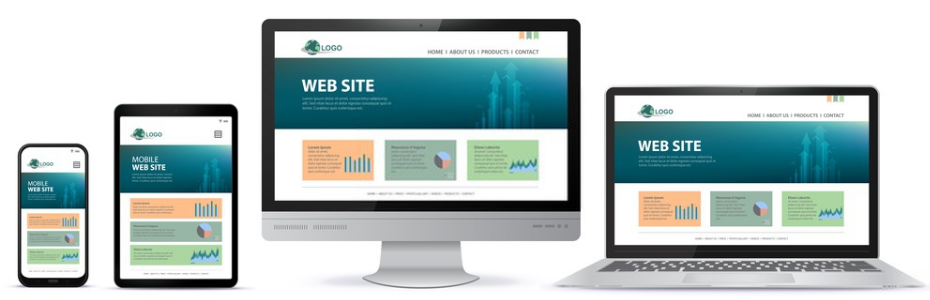
Awebstar is a leading web design & development company in Singapore. With a focus on delivering high-quality solutions, we specialise in web design, web development, e-commerce development, mobile app development, digital marketing, search engine optimization (SEO), and management software solutions. Our team of talented professionals is committed to creating visually stunning and user-friendly websites, powerful e-commerce stores, and building advanced mobile applications.

Logo Designing

As the logo design services, Awebstar uses the optimum UX and UI designs with cutting edge technology for logo designing.

Responsive Website design

To make the responsive website design, Awebstar focusses on an extensive integration of technology and effective designs.

SEO Services

Increase your website visibility by hiring the best SEO company in Singapore and boost your business performance.

Mobile App Development Services

Awebstar, a mobile app development company makes functional, alluring, and easy understandable applications for every business type

eCommerce Website Design Services

If you are searching for an eCommerce website development company in Singapore, then Awebstar is the most reliable company you can go with.

Monday, 8 June 2026

8 Essential Website Security Checks Every Business Owner Must Know

8 Essential Website Security Checks Every Business Owner Must Know

As the world has gone online, having a secure website is something you cannot ignore for anybody who operates an eCommerce platform, a blog or any website; safeguarding your site protects not just your information but the essential beliefs and private details of your audience. Hackers aspire to have high-tech attacks on websites with poor security features, prone to hacking, data breaches, and exploitation. But the question is, how do you know that you have one?

In this guide, let us discuss the primary signs showing that your site is safe and provide advice on enhancing the safety level.

1. SSL Certificates: The Basics of Website Protection

The first and most distinguishable way to ensure you identify with a secure site is to look for a Secure Socket Layer certificate. SSL makes the information passed between the user's browser and the relevant website secure to prevent any unauthorised access by third parties ordinarily sensitive data like passwords and credit card numbers. A secure website always has the letters "HTTPS" in the address bar and a small padlock.


Check if your site has an SSL certificate. This is evident because if the words beginning the URL are "HTTPS" instead of "HTTP," your site will have SSL encryption. Besides, if the site is safe to browse, there is a padlock icon in the address bar regardless of Chrome or Firefox browsers.


Why SSL matters: SSL certificates are essential because they intercept communication between the website and the user's browser and then decrypt the communication to decrypt it. This encryption also safeguards your behalf data and ensures your visitors trust your site.


Actionable Tip:

You can acquire an SSL from reputable sources like Let's Encrypt or get one from your web hosting service provider.

2. Protect Accounts with strong passwords and also use two-factor authentication

The strength of your login credentials determines your website's security level. Now, a weak password that can be guessed easily puts your site at the mercy of hackers.


Use strong, unique passwords: All the accounts related to your website, the admin panel, the hosting provider and the database should have a good password, and the passwords should also be different. A precise combination of capital and lowercase letters, numbers, and symbols is considered a good password.


Enable two-factor authentication (2FA): A second layer of protection, such as incorporating two-factor verification, will mean that, apart from knowing the password and code they send to the user's phone or email, for example, the hacker will need to guess both.


Actionable Tip:

Store passwords in LastPass or Dashlane and let them create long and complex passwords for you. Secure the core pages of the website with two-factor authentication.

3. Regular Software Updates

Another aspect of website security is the maintenance of updated software on the website. Whether using WordPress, Magento or Joomla as a CMS, updating your core content, plugins and themes shields you against emerging threats.


Why updates matter: It is common knowledge that cybercriminals take advantage of outdated software with publicly known weaknesses. Amidst these developments, the frequency of such attacks decreases if your website and some of its components are frequently updated.


How to stay updated: A significant benefit of most content management systems is the ability to update automatically for security fixes, which is common in WordPress. However, it must be noted that plugins and themes must be updated at least once every few days, though manual intervention is required.


Actionable Tip:

Schedule an automatic process for updating the central applications of the website. For plugins and themes, perform a check with updates every month and use new or changed components when previous elements are outdated or no longer supported.

4. Security Plugins and Tools

One of the easy decisions is to install the security plugins, which is the easiest way to secure the site. Most CMS platforms have plugins that the system can identify and prevent malicious activities.


Top security plugins for WordPress: CafePress, Wordfence, Sucuri Security, and iThemes Security are some of the best plugins that provide malware scanning, firewall protection and prevention of brute force attacks.


Use a website firewall: A web application firewall (WAF) is a form of protection that exists and sits between your website and threats. It scans it and prevents any unwanted traffic from getting to your site.


Actionable Tip:

Factors that ought to be employed are the plugins or security tools that continually check for vulnerabilities, malware or any other security threats within the application or site. Perform a firewall that would block out any undesirable traffic to your site.

5. Perform Regular Backups

Of course, no matter how well-protected your hosting is, there can always be definite unexpected problems, from server failures to malware attacks. Backups are critical since they enable you to recover your website frequently when data loss incidents occur.


Importance of regular backups: A backup is a second copy of your website files and data that needs to be kept safe. You can always revert to its previous state in minutes should your site be infected.


Automate your backups: Every great hosting provider should automatically back up for you as an essential provision of hosting services. WordPress-backed solutions like UpdraftPlus and BackupBuddy exist and work as plugins within the CMS.


Actionable Tip:

Ensure that your website has a backup at least once per week and that those backups are stored in the cloud and on an external drive.

6. The next highlight is: Monitor for Malware and Vulnerabilities


How to monitor for malware: Popular websites like Google consider certain aspects by using the services of robust programs like Google Safe Browsing, Sucuri, SiteLock, etc., for malware detection by scanning your site at regular intervals. These tools can detect hidden vices such as lousy code, links to unsafe sites and other flaws that may not be distinguished.


Check your Google Search Console: Google Search Console is an essential tool for diagnosing your website's health, including security information. The tool allows Google to report any incidence of malware or any other suspicious activity on your website.


Actionable Tip:

Scan for security every month and frequently visit the Google Search Console for any infringement or warning with permission to your website.

7. Secure Hosting Environment

A good Web host's choice can make or break your website's security measures. A good hosting provider should have the tools and principles to secure your site from another party.


Choose a reliable hosting provider: Ensure you go for hosting companies with essential characteristics such as SSL certificates, firewalls, daily or weekly backups, and malware scans. Managed hosting providers may handle security updates for your benefit and minimise variability.


Use dedicated or VPS hosting: Web hosting services are riskier because other sites on the same server may be hacked. It is recommended that dedicated or Virtual Private Server (VPS) hosting be opted for, as it is more secure and gives the user complete control.


Actionable Tip:

See the level of security that your host provides. If you are still in shared hosting, consider using VPS or managed hosting for better protection.

8. The protocols are HTTP, HTTPS, and Secure Data Transmission.

Beyond having SSL certificates, all the information on your website must be passed through securely. This is especially true for e-commerce websites and any site requiring users to register, where they enter their login details, passwords, or other personal details.


Why secure transmission matters: Using the principle of sniffers working depending on substrings, hackers can intercept unencrypted data to leverage data breaches or identity theft. The interception of data shared between the user and the website is eliminated by ensuring that all communication is encrypted.


Actionable Tip:

Check all your site's forms, checkout processes, and login pages, and confirm that the information you send is adequately encrypted.

Conclusion

Implementing security into your website is essential to building credibility, safeguarding information, and reducing the risk of costly cyberattacks. There are several ways to strengthen your site's protection, including SSL certificates, strong passwords, regular software updates, security plugins, and reliable backups. Businesses that require a deeper assessment of their security posture can also benefit from Penetration Testing Services to identify vulnerabilities before hackers can exploit them. It is equally important to monitor for security threats regularly and choose a secure hosting environment to provide an additional layer of protection.

As cyber threats continue to evolve, staying proactive and responsive with the right security measures is key to keeping your website, data, and users safe.

Share:

Tuesday, 2 June 2026

How Data-Driven SEO Strategies Help Businesses Generate More Targeted Leads

How Data-Driven SEO Strategies Help Businesses Generate More Targeted Leads

In today's fast-changing digital world, businesses need every advantage they can find to stand out online. A powerful way to do this is through data-handled SEO strategies. Simply put, data-driven SEO means using numbers and facts to improve your site so that more potential customers find you. This blog post will discover how data-driven SEO strategies can help companies generate more targeted potential customers. We want to cover data-driven SEO, why it matters, and how to use it to bring more customers to your business.

What is data-driven SEO?

SEO, or search engine optimisation, makes your site more attractive to search engines like Google. The better your SEO, the more your site will rank in the search results. Data-operated SEO takes a step forward. Decision-making depends on accurate data - user behaviour, search trends, and site traffic.
Instead of estimating the best work, you use facts and numbers. This means you can see what the audience is looking at and adjust your site accordingly. Using data helps you track what changes work and what improvements may be required.

Why Datatrent SEO means something to the business

When you use date-driven SEOs, each change is supported by complex evidence. It gives you many benefits:

A better understanding of the audience

Data can tell you which keywords the audience uses, which side they go to, and who keeps them busy. This insight helps you create materials that meet their needs.

More efficient use of resources

When you know what works, you can focus time and money on strategies that produce accurate results. This means you do not waste thoughts that do not traffic or lead.

Better ranking on search engines

Data helps you identify the best keywords and topics to focus on. Using this insight, you can create materials that love the search engine, which leads to a high ranking.

High-quality management

SEO aims not only to attract some visitors but also to bring in potential customers. Data-operated approaches ensure that visitors visiting your site are more likely to be more likely to be interested in your products or services.

Essential components of data-driven SEOs

Let's see some essential parts of a computer-driven SEO strategy:

1. Keyword research

Keyword research is finding words and phrases that people enter into search engines. By using devices such as Google Analytics, Semrush, or Ahrefs, you can see which keywords have the most potential among visitors. Computer-driven keyword search, competition, and relevance of keywords. This helps you choose words most likely to attract the right audience.

2. Competitor analysis

Understanding the rivals is another essential part of the data-driven approach. You can find holes in your strategy and business opportunities by examining what competitors are doing. Tools like Moz or SpyFU can help you see which keywords and strategies your rivals use. This information can correct your SEO efforts and help you stand out in your niche.

3. Content analysis

The material is at the heart of SEO. Data-operated material analysis is the type of material that works best on your site. You can review the data on how long the visitors live on your pages, what topics get the most stocks, and where traffic comes from. This helps you create more ingredients that resonate with the audience.

4. Link Building

Links to other websites are like trust votes for your site. Data-operated coupling building means checking which links give you the most traffic and that promote your ranking. By focusing on quality more than volume, you can create a network of links that help the search engine rely on your site.

5. User experience (UX)

Data is also essential when it comes to user experience. SEO is about high ranking on search engines and providing visitors with a good experience. Analysing user behaviour with tools such as heat maps and sessions can help you see where users can have problems. This allows you to improve the design and navigation of your site, making it easier for visitors to find what they need.

How computer-driven SEO leads to more targeted leads

Now that we understand the basics, let's see how data in SEO can help generate more targeted potential customers.

Better matching of the user's intentions

When using data, you can better understand what users look like. This means you can create materials that answer their questions and meet their needs. For example, if the data shows many people detect the "best budget smartphone," you can write a detailed guide. While matching your content with the users who want it, you attract visitors already interested in your offer. This is more likely to become a customer.

Extended material relevance

Data helps you know which topics are trending and what the audience is most aware of. By focusing on these subjects, you can create valuable and interesting materials. This not only helps to improve search ranking but also builds confidence in the audience. People turn into leads when they see your site as a valuable resource.

Better site navigation and user experience

A site that is easy to use holds visitors busy. User behavior data can reveal the areas of your site that can be misleading or difficult to navigate. By addressing these problems, you help visitors know what they see quickly. A smooth user experience encourages visitors to stay longer and explore more pages, increasing the chance of converting them into leads.

Custom destination page

The landing page is on your site, where visitors often decide what measures to take, such as filling in the contact form or registering for the newspaper. Data-driven insights can help you test different landing page versions to see which works best. This process, known as A/B testing, uses data to determine which items, such as headings, images, or call-to-action buttons, provide better results. A well-adapted destination page can capture more clients and improve conversion frequency.

Adjustment and improvement of real-time

One of the best parts of computer-driven SEOs is that you can change quickly. If you see that a specific keyword is not working well or a piece of material is not complicated enough for the audience, you can immediately adjust your strategy. This ongoing testing and improvement process ensures that your site always meets what is in favour of the search engine.

Computer-driven SEO examples in real-life success

Let's look at some examples of how computer-driven SEO strategies have helped companies generate more targeted potential customers.

Example 1: A small e-commerce shop

Imagine a small online store that sells handmade jewellery. With the help of data-driven SEO, the store owner discovers that many potential customers discover "handmade silver chains" instead of "silver chains." With this insight, the owner optimizes the product pages with this keyword, updates the product details, and creates a blog post about the benefits of handmade jewelry. The result is increased organic traffic from customers interested in specially handmade silver jewelry, which leads to more sales and inquiries.

Example 2: A local service provider

A local plumbing company uses data to understand which services people find in their field. The company finds that many residents seek "I have emergency preparation". With this information, the business optimises the site for local SEOs and ensures it appears in local search results. They also create a simple, clear destination page that explains their emergency services. As a result, the plumbing company sees a significant increase in conversations in immediate demands from potential customers, converting explorers into valuable potential customers.

Example 3: A technical boot

A technical start-up that provides software solutions uses data to analyse user behaviour on the site. They find that visitors spend more time on pages with wide training programs and case studies. By focusing on creating more material in this way, the start-up improves search engine ranking and builds confidence in potential customers. As a result, several visitors register for free tests, ask for the demo, and increase the number of targeted wires.

How to Start with Data-Driven SEO

If you are ready to use data-operated SEOs for your business, some easy steps help you start:

Set clear goals

Decide what you want to achieve with the SEO effort. This may include increased website traffic, generating more clients, or market sales. Clear goals help you to be focused and measure success.

Collect the correct equipment

Many available devices can help you collect and analyse data. Google Analytics is a great start, providing valuable insight into your site's performance. Tools like Semrush, Ahrefs, and Socks can help with keyword research and competitive analysis.

Collect and analyse data

Start by looking at your current website data. See which pages work well and which do not. Identify the keywords that provide the most traffic. This first analysis will show you where you can focus your efforts.

Data-driven changes

Use insight from your data to update your site. Customise your content, improve your destination pages, and make your site easier to navigate. Remember that small changes can lead to significant results over time.

Testing and sophisticated

SEO is an ongoing process. Regularly test your changes to see what works best. Use techniques such as A/B testing to compare different versions of your pages. Continue to refine your strategy based on the data you have collected.

Keep updated

The digital world is changing rapidly. Continue to learn about new SEO trends and update your strategy as needed. After reliable blogs, joining online communities and taking courses can help you stay in front of the basket.

Long-term benefits of data-driven SEO

Investing in data-driven SEO is not just about quick gain. It provides the benefits of a long time that can help your business grow over time:

Enlargement

By using frequent data to improve your site, you are building a strong foundation that attracts the year-round directors of exemplary visitors.

Better returns

When data support each decision, you are more likely to see a good return on your investment. You spend less on estimates and spend more on work strategies.

Increase in trust and rights

A website that meets the needs of visitors creates confidence. Over time, this confidence can make your business an authority in your area. When people trust you, they are more likely to choose your products or services.

Adaptability

Data helps you keep you flexible. You can adjust your approach quickly when such trends change or new challenges arise. It keeps your business competitive in the changed digital scenario.

Conclusion

Data-driven SEO is a powerful strategy for businesses looking to attract high-quality leads and achieve long-term online growth. By leveraging data insights, businesses can better understand their audience, optimise their content, improve user experience, and make informed decisions that drive measurable results.
Whether you are a small business or a large enterprise, implementing data-driven SEO can help you stay ahead of competitors and connect with customers who are actively searching for your products or services. Partnering with the Best SEO Company can further strengthen your strategy by ensuring every SEO decision is backed by accurate data, industry expertise, and proven techniques.
Start using data-driven SEO today, and turn valuable insights into sustainable business growth, increased visibility, and a steady stream of targeted leads.
Share:

Featured post

8 Essential Website Security Checks Every Business Owner Must Know

As the world has gone online, having a secure website is something you cannot ignore for anybody who operates an eCommerce platform, a blog ...

Labels

About Me

My photo
singapore, Singapore
Awebstar is a leading web design & development company in Singapore. With a focus on delivering high-quality solutions, we specialise in web design, web development, e-commerce website design, mobile app development Company, digital marketing, search engine optimization (SEO), and management software solutions. Our team of talented professionals is committed to creating visually stunning and user-friendly websites, powerful e-commerce stores, and building advanced mobile applications. With our expertise in digital marketing strategies and SEO, we help businesses reach their target audience and achieve online success.