Awebstar is a leading web design & development company in Singapore. With a focus on delivering high-quality solutions, we specialise in web design, web development, e-commerce development, mobile app development, digital marketing, search engine optimization (SEO), and management software solutions. Our team of talented professionals is committed to creating visually stunning and user-friendly websites, powerful e-commerce stores, and building advanced mobile applications.

Logo Designing

As the logo design services, Awebstar uses the optimum UX and UI designs with cutting edge technology for logo designing.

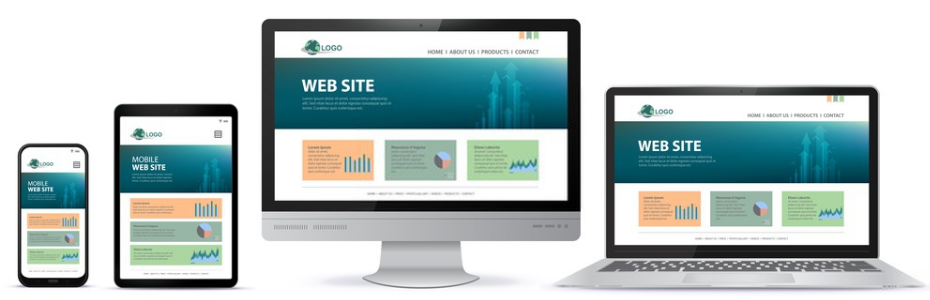
Responsive Website design

To make the responsive website design, Awebstar focusses on an extensive integration of technology and effective designs.

SEO Services

Increase your website visibility by hiring the best SEO company in Singapore and boost your business performance.

Mobile App Development Services

Awebstar, a mobile app development company makes functional, alluring, and easy understandable applications for every business type

eCommerce Website Design Services

If you are searching for an eCommerce website development company in Singapore, then Awebstar is the most reliable company you can go with.

Tuesday, 2 June 2026

How Data-Driven SEO Strategies Help Businesses Generate More Targeted Leads

How Data-Driven SEO Strategies Help Businesses Generate More Targeted Leads

In today's fast-changing digital world, businesses need every advantage they can find to stand out online. A powerful way to do this is through data-handled SEO strategies. Simply put, data-driven SEO means using numbers and facts to improve your site so that more potential customers find you. This blog post will discover how data-driven SEO strategies can help companies generate more targeted potential customers. We want to cover data-driven SEO, why it matters, and how to use it to bring more customers to your business.

What is data-driven SEO?

SEO, or search engine optimisation, makes your site more attractive to search engines like Google. The better your SEO, the more your site will rank in the search results. Data-operated SEO takes a step forward. Decision-making depends on accurate data - user behaviour, search trends, and site traffic.
Instead of estimating the best work, you use facts and numbers. This means you can see what the audience is looking at and adjust your site accordingly. Using data helps you track what changes work and what improvements may be required.

Why Datatrent SEO means something to the business

When you use date-driven SEOs, each change is supported by complex evidence. It gives you many benefits:

A better understanding of the audience

Data can tell you which keywords the audience uses, which side they go to, and who keeps them busy. This insight helps you create materials that meet their needs.

More efficient use of resources

When you know what works, you can focus time and money on strategies that produce accurate results. This means you do not waste thoughts that do not traffic or lead.

Better ranking on search engines

Data helps you identify the best keywords and topics to focus on. Using this insight, you can create materials that love the search engine, which leads to a high ranking.

High-quality management

SEO aims not only to attract some visitors but also to bring in potential customers. Data-operated approaches ensure that visitors visiting your site are more likely to be more likely to be interested in your products or services.

Essential components of data-driven SEOs

Let's see some essential parts of a computer-driven SEO strategy:

1. Keyword research

Keyword research is finding words and phrases that people enter into search engines. By using devices such as Google Analytics, Semrush, or Ahrefs, you can see which keywords have the most potential among visitors. Computer-driven keyword search, competition, and relevance of keywords. This helps you choose words most likely to attract the right audience.

2. Competitor analysis

Understanding the rivals is another essential part of the data-driven approach. You can find holes in your strategy and business opportunities by examining what competitors are doing. Tools like Moz or SpyFU can help you see which keywords and strategies your rivals use. This information can correct your SEO efforts and help you stand out in your niche.

3. Content analysis

The material is at the heart of SEO. Data-operated material analysis is the type of material that works best on your site. You can review the data on how long the visitors live on your pages, what topics get the most stocks, and where traffic comes from. This helps you create more ingredients that resonate with the audience.

4. Link Building

Links to other websites are like trust votes for your site. Data-operated coupling building means checking which links give you the most traffic and that promote your ranking. By focusing on quality more than volume, you can create a network of links that help the search engine rely on your site.

5. User experience (UX)

Data is also essential when it comes to user experience. SEO is about high ranking on search engines and providing visitors with a good experience. Analysing user behaviour with tools such as heat maps and sessions can help you see where users can have problems. This allows you to improve the design and navigation of your site, making it easier for visitors to find what they need.

How computer-driven SEO leads to more targeted leads

Now that we understand the basics, let's see how data in SEO can help generate more targeted potential customers.

Better matching of the user's intentions

When using data, you can better understand what users look like. This means you can create materials that answer their questions and meet their needs. For example, if the data shows many people detect the "best budget smartphone," you can write a detailed guide. While matching your content with the users who want it, you attract visitors already interested in your offer. This is more likely to become a customer.

Extended material relevance

Data helps you know which topics are trending and what the audience is most aware of. By focusing on these subjects, you can create valuable and interesting materials. This not only helps to improve search ranking but also builds confidence in the audience. People turn into leads when they see your site as a valuable resource.

Better site navigation and user experience

A site that is easy to use holds visitors busy. User behavior data can reveal the areas of your site that can be misleading or difficult to navigate. By addressing these problems, you help visitors know what they see quickly. A smooth user experience encourages visitors to stay longer and explore more pages, increasing the chance of converting them into leads.

Custom destination page

The landing page is on your site, where visitors often decide what measures to take, such as filling in the contact form or registering for the newspaper. Data-driven insights can help you test different landing page versions to see which works best. This process, known as A/B testing, uses data to determine which items, such as headings, images, or call-to-action buttons, provide better results. A well-adapted destination page can capture more clients and improve conversion frequency.

Adjustment and improvement of real-time

One of the best parts of computer-driven SEOs is that you can change quickly. If you see that a specific keyword is not working well or a piece of material is not complicated enough for the audience, you can immediately adjust your strategy. This ongoing testing and improvement process ensures that your site always meets what is in favour of the search engine.

Computer-driven SEO examples in real-life success

Let's look at some examples of how computer-driven SEO strategies have helped companies generate more targeted potential customers.

Example 1: A small e-commerce shop

Imagine a small online store that sells handmade jewellery. With the help of data-driven SEO, the store owner discovers that many potential customers discover "handmade silver chains" instead of "silver chains." With this insight, the owner optimizes the product pages with this keyword, updates the product details, and creates a blog post about the benefits of handmade jewelry. The result is increased organic traffic from customers interested in specially handmade silver jewelry, which leads to more sales and inquiries.

Example 2: A local service provider

A local plumbing company uses data to understand which services people find in their field. The company finds that many residents seek "I have emergency preparation". With this information, the business optimises the site for local SEOs and ensures it appears in local search results. They also create a simple, clear destination page that explains their emergency services. As a result, the plumbing company sees a significant increase in conversations in immediate demands from potential customers, converting explorers into valuable potential customers.

Example 3: A technical boot

A technical start-up that provides software solutions uses data to analyse user behaviour on the site. They find that visitors spend more time on pages with wide training programs and case studies. By focusing on creating more material in this way, the start-up improves search engine ranking and builds confidence in potential customers. As a result, several visitors register for free tests, ask for the demo, and increase the number of targeted wires.

How to Start with Data-Driven SEO

If you are ready to use data-operated SEOs for your business, some easy steps help you start:

Set clear goals

Decide what you want to achieve with the SEO effort. This may include increased website traffic, generating more clients, or market sales. Clear goals help you to be focused and measure success.

Collect the correct equipment

Many available devices can help you collect and analyse data. Google Analytics is a great start, providing valuable insight into your site's performance. Tools like Semrush, Ahrefs, and Socks can help with keyword research and competitive analysis.

Collect and analyse data

Start by looking at your current website data. See which pages work well and which do not. Identify the keywords that provide the most traffic. This first analysis will show you where you can focus your efforts.

Data-driven changes

Use insight from your data to update your site. Customise your content, improve your destination pages, and make your site easier to navigate. Remember that small changes can lead to significant results over time.

Testing and sophisticated

SEO is an ongoing process. Regularly test your changes to see what works best. Use techniques such as A/B testing to compare different versions of your pages. Continue to refine your strategy based on the data you have collected.

Keep updated

The digital world is changing rapidly. Continue to learn about new SEO trends and update your strategy as needed. After reliable blogs, joining online communities and taking courses can help you stay in front of the basket.

Long-term benefits of data-driven SEO

Investing in data-driven SEO is not just about quick gain. It provides the benefits of a long time that can help your business grow over time:

Enlargement

By using frequent data to improve your site, you are building a strong foundation that attracts the year-round directors of exemplary visitors.

Better returns

When data support each decision, you are more likely to see a good return on your investment. You spend less on estimates and spend more on work strategies.

Increase in trust and rights

A website that meets the needs of visitors creates confidence. Over time, this confidence can make your business an authority in your area. When people trust you, they are more likely to choose your products or services.

Adaptability

Data helps you keep you flexible. You can adjust your approach quickly when such trends change or new challenges arise. It keeps your business competitive in the changed digital scenario.

Conclusion

Data-driven SEO is a powerful strategy for businesses looking to attract high-quality leads and achieve long-term online growth. By leveraging data insights, businesses can better understand their audience, optimise their content, improve user experience, and make informed decisions that drive measurable results.
Whether you are a small business or a large enterprise, implementing data-driven SEO can help you stay ahead of competitors and connect with customers who are actively searching for your products or services. Partnering with the Best SEO Company can further strengthen your strategy by ensuring every SEO decision is backed by accurate data, industry expertise, and proven techniques.
Start using data-driven SEO today, and turn valuable insights into sustainable business growth, increased visibility, and a steady stream of targeted leads.
Share:

Thursday, 28 May 2026

The Dark Side of DIY Websites: When Cheap Costs You Lost Sales

Dark Side of DIY Websites

DIY website builders like Wix, Squarespace, or Shopify are tempting for small businesses. They promise a “professional” website for a few dollars a month, no coding skills required. But here’s the truth: what looks like a bargain today could quietly drain your sales tomorrow. Many business owners realise too late that their DIY site isn’t just “good enough”. It’s actively costing them, customers.


In this blog, we’ll break down how a cheap DIY website can lead to expensive mistakes. From design flaws that scare off visitors to hidden technical issues that hurt your Google ranking, the risks add up fast. Worse, you might not even notice the problem until your competitor (who hired a pro) swoops in. Let’s explore why “saving money” on a DIY site might be the most costly decision you make.


1. “It Looks Homemade”: How Poor Design Kills Trust

Imagine walking into a store with flickering lights, messy shelves, and handwritten signs taped to the walls. Would you trust that business? Probably not. Your website is your digital storefront, and visitors judge your credibility in seconds.

DIY websites often suffer from:

  • Cookie-cutter templates: If your site looks identical to 10 others in your industry, customers won’t remember you.

  • Cluttered layouts: Too many fonts, colours, or animations make your site feel chaotic.

  • Low-quality images: Blurry or generic stock photos scream “amateur.”


Real-life example: A local bakery used a DIY template to showcase their cakes. But the site’s busy design and mismatched colours made it hard to navigate. Customers assumed the business was unprofessional and ordered from a competitor with a cleaner, more polished site.


Cost: Lost trust = lost sales. If 100 visitors leave your site due to poor design, and 10% would’ve spent $100 each, that’s $100 each,thats1,000 gone… per month.


2. The SEO Trap: Why Google Hates DIY Sites

You could have the best products in town, but if Google doesn’t rank your site, customers won’t find you. Many DIY platforms limit your ability to optimise for search engines (SEO), hurting your visibility.

Common SEO pitfalls:

  • Slow loading speeds: DIY sites often load slowly due to bulky templates. Google punishes slow sites in rankings.

  • Limited customisation: Can’t edit meta tags, alt text, or headers? Your SEO potential is capped.

  • Duplicate content: Template-generated pages can trigger Google’s “duplicate content” penalties.


Real-life example: A plumber built a DIY site but couldn’t customise page URLs or meta descriptions. His site ranked on page 3 of Google for “emergency plumber near me,” while competitors with SEO-optimised sites dominated page 1.


Cost: If page 1 rankings bring 1,000 visitors/month, and 5% convert into 200jobs,beingonpage3couldcostyou200jobs,beingonpage3couldcostyou10,000/month in missed jobs.


3. Mobile Disasters: When Your Site Breaks on Phones

Over 60% of web traffic comes from mobile devices. If your DIY site isn’t truly mobile-friendly (not just “responsive”), you’re alienating most of your audience.

DIY builders claim their templates are mobile-ready, but issues like:

  • Text too small to read

  • Buttons too close together (leading to misclicks)

  • Images that don’t resize are common. Frustrated visitors leave fast.


Real-life example: A fitness coach’s DIY site looked great on desktop but scrambled on mobile. Clients couldn’t easily book sessions, leading to a 40% drop in sign-ups.


Cost: If 50 mobile visitors bounce daily, and 2% would’ve bought a 50ebook, that’s 50ebook, that1,500/month lost.


4. Security Risks: Hackers Love DIY Websites

DIY platforms aren’t immune to hackers. In fact, their popularity makes them targets. If your site gets hacked (and you don’t notice), you could lose customer data, face legal fines, or even get blacklisted by Google.

Common security gaps in DIY sites:

  • Weak passwords (many users skip two-factor authentication)

  • Outdated plugins/themes (no automatic updates)

  • No SSL certificate (makes your site “Not Secure” in browsers)


Real-life example: A small online store built with a DIY platform was hacked, leaking customer credit card info. The business spent $5,000 on legal fees and lost 30% of its regular customers.


Cost: A single security breach can cost thousands in repairs, not to mention reputational damage.


5. The Scalability Problem: Growing Pains Hit Hard

DIY sites work for a 5-page brochure site… until you need more. Adding e-commerce, booking systems, or membership portals often requires expensive plugins or rebuilding the site from scratch.


Real-life example: A photographer started with a DIY portfolio site but later wanted to sell prints. The DIY platform couldn’t handle inventory or payments, forcing her to hire a developer for $3,000 to migrate to a new site.


Cost: Migrating mid-growth wastes time and money. Plus, downtime during the switch can stall sales.


6. Time = Money: The Hidden Cost of DIY

Building a website yourself isn’t free. it costs your time. Hours spent tweaking templates, fixing errors, or watching tutorials are hours not spent on your business.


Example: A restaurant owner spent 20 hours building his DIY site. If his time is worth 50/hour, that’s 50/hour, thats 1,000 “spent.” Worse, the site underperformed, leading to fewer reservations.


Cost: Time invested in DIY + lost sales from a weak site = double loss.


The $10k Mistake: Adding Up the Losses

Let’s tally the potential losses from a DIY website:

  • Poor design: $1,000/month in lost trust

  • Bad SEO: $10,000/month in missed traffic

  • Mobile issues: $1,500/month in lost mobile sales

  • Security breach: $5,000 one-time + reputational harm

  • Rebuilding costs: $3,000 to migrate

  • Wasted time: $1,000 in hours


Total (first year): Over $20,500 in risks.

Suddenly, paying a professional 3k–3k–5k upfront seems like a steal.


When Does DIY Work?

DIY sites can work for:

  • Simple blogs or portfolios

  • Temporary sites (e.g., event promotions)

  • Businesses with tiny budgets are testing an idea

But if you’re serious about growth, treat your website as an investment, not an expense.


How to Avoid the DIY Trap

  1. Audit your current site: Use tools like Google PageSpeed Insights or HubSpot’s Website Grader.

  2. Consult a pro: Many developers offer free audits or affordable fixes.

  3. Prioritise ROI: A site that costs 5kbutearns5kbutearns50k is worth it.

Conclusion

A DIY website might save you 500 today, but losing 500 today, but losing 10,000 in sales tomorrow isn’t a bargain, it’s a mistake. Your website is the face of your business. If it looks unprofessional, works poorly, or fails to connect with customers, you’re leaving money on the table.


Invest in a website built by a professional website development company that grows with you. Because in business, looking “cheap” is the most expensive choice you can make.


Share:

Wednesday, 13 May 2026

5 Must-Know Benefits of Modern Appointment Booking Software for Your Business

5 Must-Know Benefits of Modern Appointment Booking Software for Your Business

In today's busy modern times, keeping your business's scheduling needs well is more than just a convenience; it's a must. With the wide use of contemporary appointment booking software, companies have gained strong tools to simplify tasks, improve customer happiness, and boost earnings. This article explains five key benefits of using innovative appointment booking software and shows you why using this technology is vital to stay ahead.

Appointment Booking Software: A Game Changer for Your Business

Modern appointment booking software has revolutionised the way businesses handle appointments. It not only automates scheduling but also improves customer service and operational efficiency, making it an essential tool for any company aiming to thrive in today's digital world.


1. Simple Scheduling and More Effective Work

One of the most significant benefits of appointment booking software is its ability to simplify scheduling. Old ways, like writing things down by hand or scheduling by phone, can cause mistakes, double bookings, and wasted time on office work. Modern software does these tasks automatically, letting your business run more smoothly.


How It Works

Appointment booking software does the booking process automatically. Customers can pick available time slots, choose services, and book appointments using an online portal or mobile app. The system automatically updates your calendar immediately, avoiding scheduling conflicts and cutting down the work for your staff.


Key Advantages

  • Time Savings: Automation dramatically cuts the time your team spends managing appointments.

  • Fewer Errors: The software ensures every appointment is recorded correctly by removing mistakes like double bookings or data entry errors.

  • Always Available: Customers can book appointments anytime, even when your business is closed, which helps more people and makes your service more straightforward.

By putting the scheduling in one place, businesses can have a smoother workflow, increasing overall productivity. This simple approach has been noted by experts who say that automatic scheduling systems can cut office time by up to 50%.


2. Better Customer Experience and Convenience

Today's customers expect ease and quick service. A simple appointment booking system meets these expectations by letting customers book services easily, improving their overall experience with your business.


What Customers Love

Customers now expect a smooth online experience. A straightforward online booking screen lets them see available times, pick their favourite service provider, and even change or cancel appointments if needed. This flexibility is essential for building trust and loyalty.


Benefits for Your Business

  • Ease of Use: A simple, well-made booking system reduces the frustration of old booking methods. Clear instructions and a straightforward layout make it simpler for customers to use the system.

  • Real-Time Updates: With features like automatic confirmations and reminders, customers are less likely to miss their appointments. This not only makes customers happier but also lowers the chance of no-shows.

  • More Engagement: Customers feel more valued When they can control their appointment times and get quick feedback. This good experience can lead to more business and positive referrals.


Making the customer experience better is very important for long-term success. According to software providers, businesses that use these systems see an apparent rise in customer satisfaction, increasing loyalty and repeat bookings.


3. Useful Insights and Strong Reporting Tools

Besides handling appointments, modern booking software also gives strong reporting and analysis tools. These features help you make smart choices by providing valuable insights into customer behaviour and how well your work is going.


Tracking Key Details

Advanced appointment booking software gathers data on many parts of your operations. You can track details like busy booking times, customer types, cancellation rates, and service likes. This information is key to improving your schedule and adjusting your services to meet demand.


Benefits of Smart Choices

  • Better Use of Resources: Analysis helps you know when and where your business is busiest. With this info, you can change staffing levels, manage stock, or offer promotions during slow times.

  • Focused Marketing: By studying customer data, you can divide your audience and make marketing campaigns that suit them. For example, many customers prefer booking on weekends so that you could offer weekend discounts.

  • Ongoing Improvement: Regular reports let you see trends over time. By watching these trends, you can make changes that boost the efficiency and quality of your service.

These insights are a big help for modern businesses. They improve daily operations and give you an edge by spotting growth chances and areas to improve.


4. Built-In Marketing and Communication Tools

Appointment booking software often includes built-in marketing and communication tools, which can help you reach more people and keep customers interested.


Working with Other Tools

Modern systems are built to work smoothly with other business tools, such as Customer Relationship Management (CRM) systems, email marketing platforms, and social media channels. This connection lets you handle customer interactions in one place and ensures every contact is clear and compelling.


Key Marketing Benefits

  • Automatic Reminders and Follow-Ups: Built-in email and SMS reminders lower the chance of no-shows. Also, follow-up messages can be sent automatically after appointments, asking customers for feedback or to book another service.

  • Promotional Campaigns: Some booking tools let you create and share special offers from the system. Whether it's a discount for early bookings or a reward for loyal customers, these offers can bring in more business.

  • Social Media Links: Connecting with platforms like Facebook and Instagram makes it easier for customers to book appointments directly from your social media pages. This direct link can turn social media interest into actual bookings.

By making your marketing efforts easier with built-in tools, your business can keep a consistent message and reach more people. These features get bookings right away and help build long-term relationships with your customers.


5. Ability to Grow, Flexibility, and Saving Money

Finally, one of the best benefits of modern appointment booking software is that it can grow with your business and be adjusted easily. As your business grows, the software changes to meet your growing needs without significantly rising costs.

Why Growing Matters

For growing businesses, the ability to succeed is essential. A sound booking system can handle more appointments, extra staff, and several service locations without problems. This flexibility ensures that the system helps your business as it changes.

Flexibility and Customisation

Modern software solutions can be easily changed. Whether you run a small shop or a large company, you can adjust the system to fit your needs. Features like changeable booking forms, different appointment lengths, and the ability to connect with other systems mean you can create a solution that fits your business perfectly.

Saving Money

Using an automatic appointment system often saves a lot of money over time. You save on staff costs by cutting down the need for manual office work. Also, better scheduling accuracy reduces lost money from missed or double-booked appointments. Many software solutions work on a subscription basis, which gives you steady costs and can grow with your use.

This mix of being able to grow, flexibility, and saving money makes modern appointment booking software an excellent investment for businesses of all sizes. It makes sure that your operations can grow smoothly while keeping costs low.

Summing It Up

In summary, modern appointment booking software offers many benefits that directly affect how well your business runs, customer satisfaction, and overall profit. Let's review the five key benefits:

  1. Simple Scheduling and More Effective Work: Automatic processes cut down errors and save valuable time, ensuring your business runs smoothly.

  2. Better Customer Experience: A user-friendly booking system meets customer expectations by offering flexibility and real-time updates, which makes customers happier.

  3. Valuable Insights: Strong reporting tools give essential details about customer behaviour and daily operations, helping you make wise choices.

  4. Built-In Marketing Tools: Combining booking with marketing and communication features lets you keep customers interested and turn interest into actual bookings.

  5. Ability to Grow and Save Money: Modern software's flexibility and cost savings mean your business can grow without extra hassle or high costs.


Modern appointment booking software is more than just a tool for scheduling—it is a complete solution that affects every part of your business. From making your work more efficient to improving the customer experience and boosting revenue, the benefits are clear.


As businesses keep using digital changes, the importance of strong, connected scheduling systems cannot be overemphasised. Whether you're a small service provider or a large company, investing in modern appointment booking software is a smart move that can make you stand out from the competition.

Share:

Featured post

How Data-Driven SEO Strategies Help Businesses Generate More Targeted Leads

In today's fast-changing digital world, businesses need every advantage they can find to stand out online. A powerful way to do this is ...

Labels

About Me

My photo
singapore, Singapore
Awebstar is a leading web design & development company in Singapore. With a focus on delivering high-quality solutions, we specialise in web design, web development, e-commerce website design, mobile app development Company, digital marketing, search engine optimization (SEO), and management software solutions. Our team of talented professionals is committed to creating visually stunning and user-friendly websites, powerful e-commerce stores, and building advanced mobile applications. With our expertise in digital marketing strategies and SEO, we help businesses reach their target audience and achieve online success.