

You’ve spent hours crafting content, tweaking your website, and waiting for Google to notice you. But when you check the rankings, your competitor’s site is still on page one while you’re stuck on page three. Frustrating, right? The good news: ranking higher isn’t magic. Your competitors are likely using strategies you’ve overlooked and with a few tweaks, you can outrank them and grab their traffic.
Let’s break down the common reasons competitors dominate search results and how to turn the tables.
1. Reason #1: Their Content is Simply Better
Google prioritises content that solves problems, answers questions, and keeps readers engaged. If your competitor’s posts are more thorough or updated more often, they’ll keep winning.
How to Steal Their Traffic:
Dig deeper than they do:
Example: If they write “10 Tips for Healthy Skin,” create “The Ultimate 2025 Skincare Guide: 25 Science-Backed Tips + Dermatologist Secrets.” Include video tutorials, a skin-type quiz, and a printable routine checklist.
Use multimedia: Embed YouTube tutorials, infographics, or podcasts to cater to different learning styles.
Refresh old content:
Update stats, add new sections (e.g., “TikTok’s Viral Skincare Trends”), or include FAQs from user comments.
Republish the post with a new date and share it on social media as a “new and improved” guide.
Answer unasked questions:
Tools like AnswerThePublic reveal questions people ask but aren’t answered (e.g., “Can oily skin use moisturiser?”).
Create a “Skincare Myths Busted” section to address common misunderstandings.
2. Reason #2: They Have Stronger Backlinks
Backlinks from reputable sites act like trust signals to Google. If your competitor’s content is linked by industry leaders, they’ll keep outranking you.
How to Steal Their Traffic:
Find their backlink sources:
Use Ahrefs’ “Backlink Gap” tool to see which sites link to competitors but not you. For example, if a competitor’s “Email Marketing Tips” guide is linked by HubSpot, pitch a more comprehensive guide to HubSpot’s editors.
Repurpose their linked content:
If their “Social Media Statistics 2024” report earned backlinks, create a 2025 version with interactive charts or a video summary.
Turn their popular blog post into a SlideShare presentation or LinkedIn carousel.
Guest post smarter:
Instead of generic topics, pitch data-driven ideas. Example: “We surveyed 500 marketers—here’s what they really think about AI tools.”
Include backlink-worthy content in guest posts, like original research or templates.
Pro Tip: Struggling to build relationships with high-authority sites? SEO services often have established networks and can fast-track your outreach efforts. (Keyword added here)
3. Reason #3: Their Technical SEO is Stronger
A slow, glitchy site frustrates users and Google. Competitors with cleaner code and faster load times get priority.
How to Steal Their Traffic:
Speed up your site:
Compress images using ShortPixel or convert them to WebP format.
Switch to a faster hosting provider (e.g., SiteGround or Kinsta) if your site takes >3 seconds to load.
Fix crawl errors:
Use Screaming Frog to find broken links, then redirect them to relevant pages. For example, redirect “yoursite.com/old-blog” to “yoursite.com/new-blog.”
Submit an updated sitemap to Google Search Console.
Optimize for mobile-first indexing:
Test buttons and forms on real devices—tap targets should be easy to click.
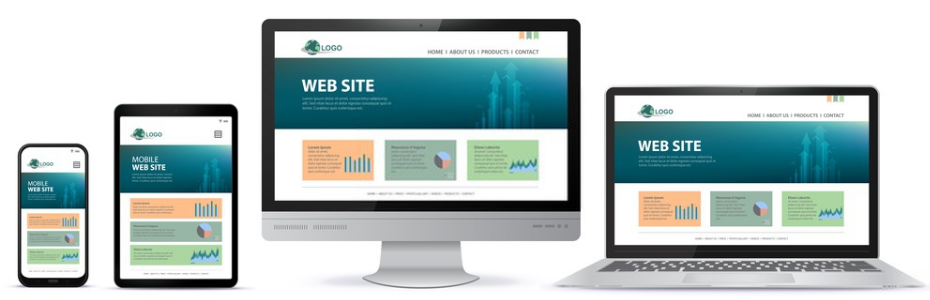
Use responsive website design to ensure text and images resize correctly on all screens.
4. Reason #4: They Target the Right Keywords
Your competitor might rank for keywords you’ve ignored, like voice search phrases or local terms.
How to Steal Their Traffic:
Spy on their keywords:
Use SEMrush’s “Keyword Gap” tool to find keywords they rank for that you don’t. For example, if they rank for “best budget DSLR camera,” create a guide comparing specific models under $500.
Target long-tail keywords with buyer intent, like “where to buy organic cotton sheets in singapore.”
Optimise for voice search:
Write in a conversational tone. Instead of “best running shoes,” use “What are the best running shoes for knee pain?”
Answer questions in bullet points or numbered lists (e.g., “Top 3 features to look for: 1. Arch support, 2.…”).
5. Reason #5: Their User Experience (UX) is Smoother
A confusing layout or hard-to-read text sends visitors straight back to Google—and your competitor.
How to Steal Their Traffic:
Improve readability:
Break up paragraphs into 2-3 lines. Use subheadings every 300 words.
Add a table of contents at the top for easy navigation (like this blog post!).
Boost engagement:
Add a “Related Posts” section at the end of each blog with eye-catching thumbnails.
Include a “Click to Tweet” box with key stats or quotes to encourage sharing.
Simplify navigation:
Use breadcrumb menus (e.g., Home > Blog > SEO Tips) so users know where they are.
Add a search bar so visitors can quickly find topics.
6. Reason #6: They Leverage Social Proof
User reviews and social shares signal credibility, which Google indirectly rewards through higher engagement.
How to Steal Their Traffic:
Encourage reviews:
Offer a small discount or free resource (e.g., “Get our SEO checklist for leaving a review!”).
Respond to every review—even negative ones—to show you value feedback.
Amplify social shares:
Add Pinterest-friendly infographics or Instagram carousels to your posts.
Run a giveaway: “Tag a friend and share this post to enter!”
Showcase testimonials:
Embed video testimonials on your homepage or product pages.
Create case studies: “How [Client] Increased Traffic by 300% Using Our Tips.”
7. Reason #7: They Dominate Local SEO
Local businesses often lose traffic because competitors optimise for “near me” searches.
How to Steal Their Traffic:
Optimise Google My Business (GMB):
Add posts to your GMB profile (e.g., “New Blog: 5 Lawn Care Tips for Singapore Summers”).
Use local keywords in your GMB description: “Family-owned bakery in Singapore since 2008.”
Build local citations:
Get listed on niche directories (e.g., WeddingWire for wedding planners, Healthgrades for doctors).
Ensure your name, address, and phone number (NAP) match exactly across all directories.
Create location-specific content:
Write “Best Website Design Services in Singapore” guides or “How Jurong Climate Affects Your Roof.”
8. Reason #8: They Monitor and Adapt
SEO changes fast. Competitors who track trends and update content stay ahead.
How to Steal Their Traffic:
Set up automatic alerts:
Use Google Alerts to track mentions of your brand or competitors.
Monitor ranking drops with tools like AccuRanker or AWR Cloud.
Run quarterly content audits:
Identify underperforming posts (low traffic/high bounce rate) and rewrite or merge them.
Check for duplicate content (e.g., product descriptions copied across pages).
Test new formats:
Experiment with interactive content like quizzes (“Which Marketing Strategy Suits Your Business?”) or calculators (“ROI Calculator for PPC Ads”).
Conclusion
Winning the SEO game means staying one step ahead. Start by auditing your competitor’s content, backlinks, and technical setup. Then, focus on creating deeper content (think 2,000+ words with videos and checklists), fixing site speed issues, and building relationships with websites that can link to you.
Don’t forget to track your progress: Use Google Analytics to compare your traffic month-over-month and celebrate small wins. For example, if your updated “Beginner’s Guide to Yoga” climbs from page 3 to page 1, double down on refreshing other old posts.
Finally, SEO isn’t just about traffic—it’s about building trust. When your content genuinely helps readers, they’ll share it, link to it, and return for more. Over time, that loyalty will push you past competitors for good.

.jpg)