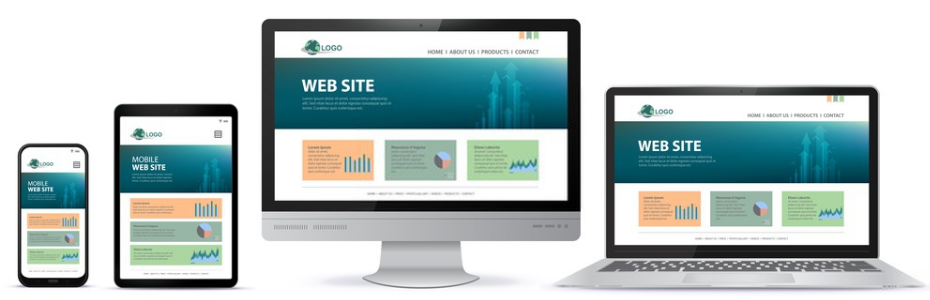


Imagine visiting a website where images pop off the screen, buttons feel clickable, and elements float seamlessly as you scroll. That’s the magic of 3D web design. But here’s the catch: if these effects slow down your site, visitors might leave before seeing the magic. In this blog, we’ll explore how to create stunning 3D web experiences that load quickly and keep users engaged.
What is 3D Web Design?
3D web design uses visual techniques to make elements on a webpage appear three-dimensional. Think of it as adding shadows, angles, or movement that tricks the eye into seeing depth. Unlike traditional flat designs, 3D elements can make a site interactive and modern.
Examples of 3D Design in Action:
Hover effects: Buttons that lift when you mouse over them.
3D product previews: Let users rotate a shoe or zoom into a gadget.
Parallax scrolling: Background images that move more slowly than foreground content.
How It Works:
Browsers use graphics processing units (GPUs) to render 3D effects. Tools like Three.js (a JavaScript library) turn code into 3D visuals. For simpler effects, CSS3 can create shadows, rotations, and animations without complex coding.
Why It’s Trending:
Users crave interactive experiences. A study by Adobe found that 38% of people stop engaging with websites if the layout is unattractive. 3D design grabs attention but must load quickly like a flashy storefront that doesn’t keep customers waiting in line.
Why Speed Matters More Than Ever
The 3-Second Rule:
If your site takes longer than 3 seconds to load, 40% of visitors leave (Portent, 2023). For e-commerce sites, a 1-second delay can cut conversions by 7% (Akamai).
SEO Impact:
Google’s Core Web Vitals measure loading speed, interactivity, and visual stability. Slow sites rank lower, especially on mobile.
Balancing Act:
3D elements like high-poly models or auto-play animations can bloat page size. A 3MB site loads in 3 seconds on 4G, but a 10MB site takes 27 seconds on 3G (ThinkWithGoogle).
7 Strategies to Add 3D Depth Without Slowing Down Your Site
1. Use CSS3 for Simple 3D Effects
CSS3 is your best friend for lightweight effects. It runs directly in the browser, requiring fewer resources than JavaScript-heavy tools.
Examples:
3D buttons:

The card flips: Use rotate () to create a flipping effect for pricing plans.
Pitfalls to Avoid:
Overusing shadows or animations can still cause lag. Test with Chrome’s Performance Tab (F12 > Performance).
Use will-change: transform, to hint to the browser which elements will animate.
2. Optimise 3D Models and Textures
High-resolution 3D models can slow your site to a crawl. Optimise them by:
Step-by-Step Optimisation:
Reduce Polygons:
Open your 3D model in Blender (free).
Go to Modifiers > Decimate to lower polygon count without losing shape.
Aim for <10k polygons for web use.
Compress Textures:
Convert images to .webp (30% smaller than PNG).
Use Adobe Substance 3D Sampler to auto-optimise textures.
Simplify Animations:
Limit bone/joint movements in character models.
Case Study:
A furniture site reduced its 3D sofa model from 25MB to 3MB by:
Cutting polygons by 60%.
Replacing 4K textures with 2K.
Using Draco Compression (a Google tool) for GLTF files.
3. Lazy Load Off-Screen Elements
Lazy loading delays loading 3D elements until a user scrolls to them. For instance, a rotating product graphic at the bottom of the page won’t load until the visitor gets there.
Implementation:
For images:
For complex 3D: Use React-Three-Fibre (for React sites) to dynamically load components.
Best Practices:
Set a low-quality placeholder image for 3D previews.
Avoid lazy-loading above-the-fold elements (i.e., those visible without scrolling).
4. Leverage WebGL and Lightweight Libraries
WebGL vs. CSS3:
WebGL: Better for complex 3D scenes (e.g., product configurators).
CSS3: Ideal for simple UI effects (buttons, icons).
Top Libraries:
Three.js: The most popular. Use its GLTFLoader for optimised models.
Babylon.js: Better for games but includes built-in optimisations such as Level of Detail (LOD).
Code Example (Three.js):

Performance Hack: Use THREE.Cache.enabled = true; to reuse loaded assets.
5. Use Parallax Scrolling Sparingly
Parallax (where background and foreground move at different speeds) adds depth but can cause lag.
When to Use It:
Hero sections to showcase products.
Storytelling websites (e.g., a timeline that reacts to scroll).
Mobile Warning:
Parallax relies on smooth scrolling, which lags on older phones. Fixes:
Use u/media (prefers-reduced-motion: reduce) to disable animations for users with motion sensitivity.
Simplify parallax to 2 layers instead of 5.
Tool: Rellax.js is a lightweight library for smooth parallax effects.
6. Compress and Cache Assets
Compression Tools:
ImageOptim (for PNG/JPG).
Caching Strategies:
Set long Cache-Control headers for static assets
Use a CDN like Cloudflare to serve assets from servers closer to users.
WordPress Users: Plugins like WP Rocket automate caching and file compression.
glTF Pipeline (for 3D models).
7. Test on Real Devices and Networks
A 3D effect that works on your desktop might crash a phone. Test your site using:
Testing Checklist:
Speed:
Run Google’s PageSpeed Insights. Fix “Defer offscreen images” warnings.
Aim for a score >90/100.
Visual Stability:
Check Cumulative Layout Shift (CLS) in Chrome DevTools. Avoid sudden layout jumps from late-loading 3D elements.
Real Devices:
Test on an old Android phone or iPhone 8 to simulate real-world lag.
Case Study:
A travel site reduced load time by 50% by:
Switching from PNG to WebP for 3D skybox textures.
Using Next.js for automatic code splitting.
Tools to Simplify 3D Web Design
Design:
Figma (for 3D mockups with plugins like Vectary).
Spline (drag-and-drop 3D animations).
Development:
Three.js DevTools (Chrome extension for debugging).
GreenSock (GSAP) for smooth animations.
Performance:
WebPageTest (test load times globally).
Lighthouse CI (continuous speed monitoring).
For a web design company, mastering these tools ensures they can deliver cutting-edge 3D experiences without compromising performance. Whether you’re freelancing or part of a team, the right toolkit bridges creativity and technical efficiency.
Conclusion
3D web design is like adding spices to a dish; too little is bland, too much ruins it. By focusing on optimisation (small file sizes, lazy loading) and testing relentlessly, you can create sites that wow users without wasting their time.
Imagine visiting a website where images pop off the screen, buttons feel clickable, and elements float seamlessly as you scroll. That’s the magic of 3D web design. But here’s the catch: if these effects slow down your site, visitors might leave before seeing the magic. In this blog, we’ll explore how to create stunning 3D web experiences that load quickly and keep users engaged.